
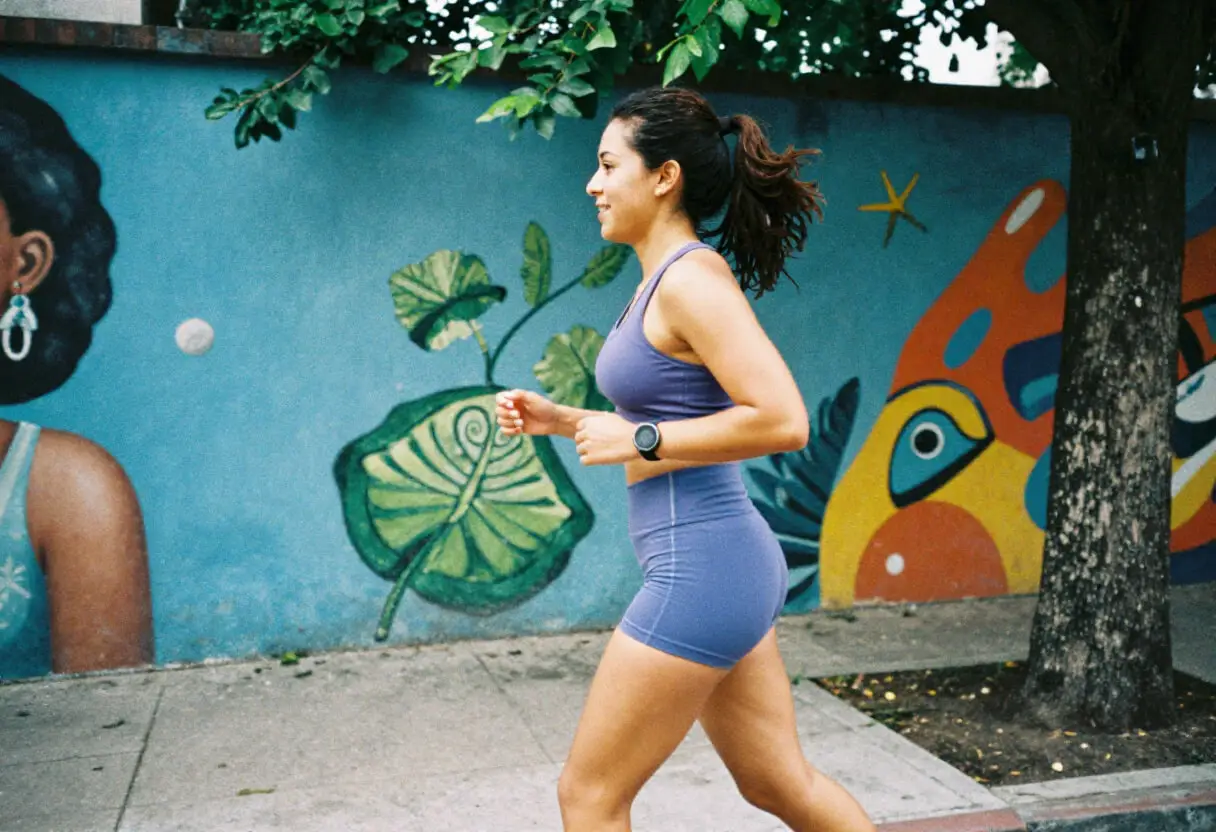
Weight loss doesn’t always require intense gym workouts or extreme dieting. One of the most effective and sustainable ways to lose weight is walking. Simple, low-impact, and accessible to almost everyone, walking supports fat loss, improves cardiovascular health, and boosts mental well-being.
When done consistently, daily walking can lead to meaningful body transformation without stress or burnout.
Why Walking Works for Weight Loss
Walking burns calories while being gentle on joints. Unlike high-intensity workouts, it’s easier to maintain long-term. Walking also lowers cortisol levels, which helps reduce stress-related fat storage—especially around the abdomen.
Regular walking improves insulin sensitivity, helping your body use energy more efficiently and store less fat.
Calories Burned by Walking
The number of calories burned depends on body weight, pace, and duration. On average:
-
A 30-minute brisk walk can burn 120–200 calories
-
Walking 8,000–10,000 steps per day supports steady fat loss
-
Increasing speed or adding hills boosts calorie burn
Over time, these small daily burns add up significantly.
Benefits Beyond Weight Loss
Walking offers more than fat loss:
-
Improves heart and lung health
-
Reduces joint stiffness
-
Enhances mood and mental clarity
-
Improves sleep quality
-
Supports digestion and metabolism
Because walking is low-stress, it supports both physical and mental health.
How to Walk for Maximum Fat Loss
1. Walk at a Brisk Pace
You should be able to talk but not sing. This keeps your heart rate in the fat-burning zone.
2. Increase Duration Gradually
Start with 20–30 minutes per day and increase to 45–60 minutes as fitness improves.
3. Stay Consistent
Daily walking is more effective than occasional long walks.
4. Use Intervals
Alternate between normal and fast walking for short bursts to increase calorie burn.
5. Maintain Good Posture
Stand tall, swing arms naturally, and engage your core.
Daily Step Goals
-
Beginners: 5,000–6,000 steps/day
-
Intermediate: 7,000–8,000 steps/day
-
Weight-loss focused: 8,000–10,000 steps/day
Use a fitness tracker or phone app to stay motivated and track progress.
Walking and Nutrition
Walking works best when combined with balanced nutrition. Focus on:
-
Lean proteins to support muscle
-
Fiber-rich foods to control hunger
-
Whole foods over processed snacks
-
Proper hydration throughout the day
Avoid using walking as an excuse to overeat—consistency matters.
Walking vs. High-Intensity Exercise
Walking may burn fewer calories per minute than intense workouts, but it’s easier to sustain. Many people quit intense routines due to fatigue or injury, while walking remains enjoyable and realistic long-term.
The best workout is the one you can stick to—and walking wins here.
Staying Motivated
-
Walk with music or podcasts
-
Change routes to avoid boredom
-
Walk with a friend or pet
-
Set daily or weekly step challenges
-
Track progress visually
Motivation increases when walking feels enjoyable, not forced.
Long-Term Body Transformation
Daily walking reshapes the body gradually. Over weeks and months, you’ll notice:
-
Reduced body fat
-
Improved leg and core strength
-
Better posture
-
Increased energy
-
Sustainable weight loss without rebound
Walking builds a lifestyle, not just a short-term result.
Final Thoughts
Walking is one of the simplest and most effective tools for weight loss and body transformation. It requires no gym, no equipment, and no extreme effort—just consistency. By committing to daily steps and pairing walking with healthy nutrition, you can achieve lasting weight loss while improving overall well-being.
Start today. One step at a time truly makes a difference.