
Let me guess. You’ve heard you need eight glasses of water a day. Maybe you carry a giant jug everywhere, dutifully sipping until it’s empty by 5 PM. Perhaps you’ve even felt a little guilty on days when you don’t hit that magical number.
Here’s what I need you to know: The “8 glasses a day” rule was never based on science. It came from a 1945 recommendation that said we need about 2.5 liters of water daily—and then noted that most of that comes from food. Somehow, that second part got lost.
The truth about hydration is more nuanced. Your needs depend on your body size, activity level, climate, and even what you eat. And sometimes, plain water isn’t enough—you need electrolytes too.
Let’s fix your hydration habits for good.
How Much Water Do You Actually Need?
The National Academies of Sciences, Engineering, and Medicine has actual numbers based on research:
-
Women: About 2.7 liters (91 ounces) of total water per day
-
Men: About 3.7 liters (125 ounces) of total water per day
But here’s the catch: that’s total water, not just drinking water. It includes water from all beverages and food. And food contributes more than you think:
-
Fruits and vegetables are 80-99% water
-
Cooked rice and pasta contain water
-
Soup, yogurt, smoothies—all count
-
Even meat and bread have water content
For most people, about 20% of daily water intake comes from food.
A More Practical Formula
Forget the one-size-fits-all approach. A better starting point:
Half your body weight (in pounds) in ounces of fluid per day.
Example: 150 pounds ÷ 2 = 75 ounces of fluid daily.
Then adjust:
-
Add 12-16 ounces for every 30 minutes of exercise
-
Increase in hot or humid weather
-
Increase if you’re sweating heavily
-
Increase at high altitudes
-
Consider more if you’re pregnant or breastfeeding
This formula gives you a personalized baseline, not a generic number.
When to Drink Water (Timing Matters)
You can drink all the right amount at the wrong times and still feel suboptimal. Here’s when to prioritize hydration:
Morning: Upon Waking
You just went 7-9 hours without fluid. You’re mildly dehydrated. Coffee is a diuretic—drinking it first without water is like starting your day in a hole.
What to do: Drink 12-16 ounces of water within 30 minutes of waking. Add lemon if you like, but plain water works. Do this before coffee.
Before Meals
Drinking water 30 minutes before meals aids digestion and can help with portion control. It doesn’t “wash away” digestive enzymes—that’s a myth. Your stomach is designed to handle fluids and food together.
What to do: Have a glass of water about 30 minutes before eating.
Around Exercise
-
2-3 hours before: 16-20 ounces
-
20-30 minutes before: 8-10 ounces
-
During: 4-8 ounces every 15-20 minutes (more in heat)
-
After: 16-24 ounces for every pound lost during exercise
Pro tip: Weigh yourself before and after a workout. Each pound lost is about 16 ounces of fluid you need to replace.
Between Meals, Not With Meals (For Some People)
This one varies by person. Some people digest better when they drink between meals rather than with them, because stomach acid isn’t diluted. Others have no issue.
Listen to your body: If you feel bloated or have poor digestion when drinking with meals, try shifting fluids to between meals.
Why Plain Water Isn’t Always Enough
Here’s where most people get it wrong. When you sweat, you don’t just lose water—you lose electrolytes: sodium, potassium, magnesium, and calcium.
If you replace water without replacing electrolytes, you can actually make things worse. This is why some people drink gallons of water and still feel tired, crampy, or headachy.
What Electrolytes Actually Do
-
Sodium: Maintains fluid balance, enables nerve signals, helps muscles contract. Lost heavily in sweat.
-
Potassium: Critical for heart function, muscle contractions, and nerve signals.
-
Magnesium: Involved in hundreds of reactions, including energy production and muscle relaxation.
-
Calcium: Essential for muscle function and bone health.
When You Need Electrolytes
-
Exercise lasting over 60 minutes: Especially in heat, you need electrolyte replacement.
-
Hot weather: If you’re sweating just sitting outside, you’re losing electrolytes.
-
Illness with vomiting or diarrhea: You’re losing fluids and electrolytes rapidly.
-
Keto or low-carb diets: These diets deplete glycogen, which holds water, and increase electrolyte needs significantly.
-
High water intake: Drinking excessive plain water can dilute electrolytes, causing hyponatremia (dangerously low sodium).
Signs You Need Electrolytes (Not Just Water)
-
Fatigue that water doesn’t fix
-
Muscle cramps
-
Headaches
-
Dizziness
-
Dark urine despite drinking plenty
-
Salt cravings
The “Pee Color” Guide
Your urine color is one of the best real-time hydration indicators. Here’s what to look for:
| Color | What It Means |
|---|---|
| Clear to pale yellow | Well-hydrated |
| Transparent yellow | Normal |
| Dark yellow | Mildly dehydrated |
| Amber or honey | Dehydrated |
| Orange or brown | Severely dehydrated (or possible liver issue) |
Note: Some supplements (B vitamins) turn urine bright yellow. This doesn’t indicate dehydration—it’s just excess B vitamins exiting.
Common Hydration Mistakes
Mistake 1: Chugging Too Much at Once
Your body can only absorb about 8-12 ounces of water per hour. Drinking a liter at once mostly leads to frequent bathroom trips, not better hydration.
Fix: Sip throughout the day. Spread intake evenly.
Mistake 2: Only Drinking When Thirsty
Thirst means you’re already dehydrated. By the time your brain signals thirst, you’re behind.
Fix: Drink proactively, especially if you’re active, in heat, or prone to forgetting.
Mistake 3: Overhydrating Without Electrolytes
Drinking excessive plain water can dilute blood sodium—a dangerous condition called hyponatremia. It’s rare but serious, and more common in endurance athletes.
Fix: Match water intake with electrolyte needs when you’re sweating heavily.
Mistake 4: Relying Only on Thirst in Older Adults
Thirst sensation diminishes with age. Older adults are at higher risk for chronic dehydration without realizing it.
Fix: Set reminders or use marked water bottles to track intake.
Mistake 5: Counting Coffee and Tea as Zero
Caffeine is a mild diuretic, but the fluid in coffee and tea still counts toward hydration. For regular caffeine consumers, the diuretic effect is minimal.
Fix: Count caffeinated beverages toward fluid intake, but prioritize water too.
Hydration by Lifestyle
For Office Workers
You sit in air conditioning, which is dehydrating. You might forget to drink for hours.
Strategy: Keep a large water bottle at your desk with hourly goals marked. Use apps or alarms to remind you. Infuse with fruit if plain water bores you.
For Athletes
Your needs are higher, and electrolytes matter.
Strategy: Pre-hydrate before exercise. During long sessions, use electrolyte drinks or add electrolyte tablets to water. Post-exercise, replace both fluids and sodium.
For Hot Climates
You lose fluid constantly, even at rest.
Strategy: Increase baseline intake. Add electrolytes if you’re sweating noticeably. Monitor urine color daily.
For Cold Climates
You might not feel thirsty, but cold air is dry, and indoor heating dehydrates.
Strategy: Drink consistently even without thirst. Herbal tea counts—and warms you up.
For Pregnancy and Breastfeeding
Fluid needs increase significantly.
Strategy: Add about 8-12 ounces above baseline. Stay hydrated to support amniotic fluid, increased blood volume, and milk production.
Practical Hydration Hacks
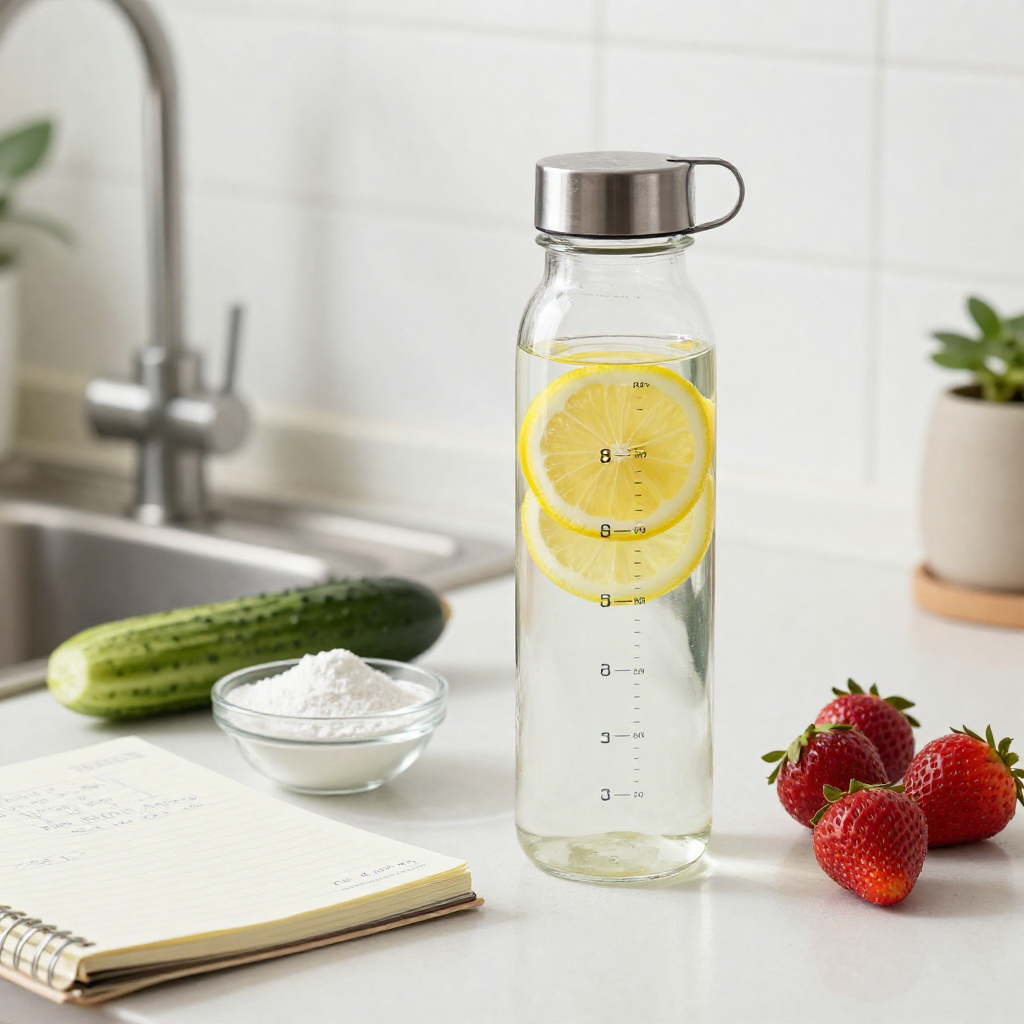
1. Use a Marked Water Bottle
Bottles with time markers (8 AM, 10 AM, etc.) gamify hydration and keep you on track.
2. Start and End Your Day with Water
A glass upon waking and another before bed (finish 1-2 hours before sleep to avoid nighttime trips).
3. Eat Your Water
High-water foods contribute significantly:
-
Cucumbers (96% water)
-
Celery (95% water)
-
Watermelon (92% water)
-
Strawberries (91% water)
-
Cantaloupe (90% water)
-
Yogurt (85-88% water)
4. Flavor Naturally
If plain water bores you, try:
-
Lemon, lime, or orange slices
-
Cucumber and mint
-
Frozen berries as ice cubes
-
Herbal tea (hot or iced)
5. Set Phone Reminders
Especially helpful if you tend to hyperfocus and forget to drink.
6. Link Hydration to Habits
Drink water:
-
After every bathroom break
-
Before every meal
-
When you first sit at your desk
-
When you stand up from a meeting
The Bottom Line
Hydration isn’t about hitting an arbitrary number. It’s about giving your body what it needs, when it needs it. That amount varies by person, by day, and by activity.
Pay attention to your urine color. Listen to your body. Adjust for sweat, heat, and activity. And remember—sometimes you need more than just water. Electrolytes matter.
You don’t need to obsess. You just need to be intentional.