
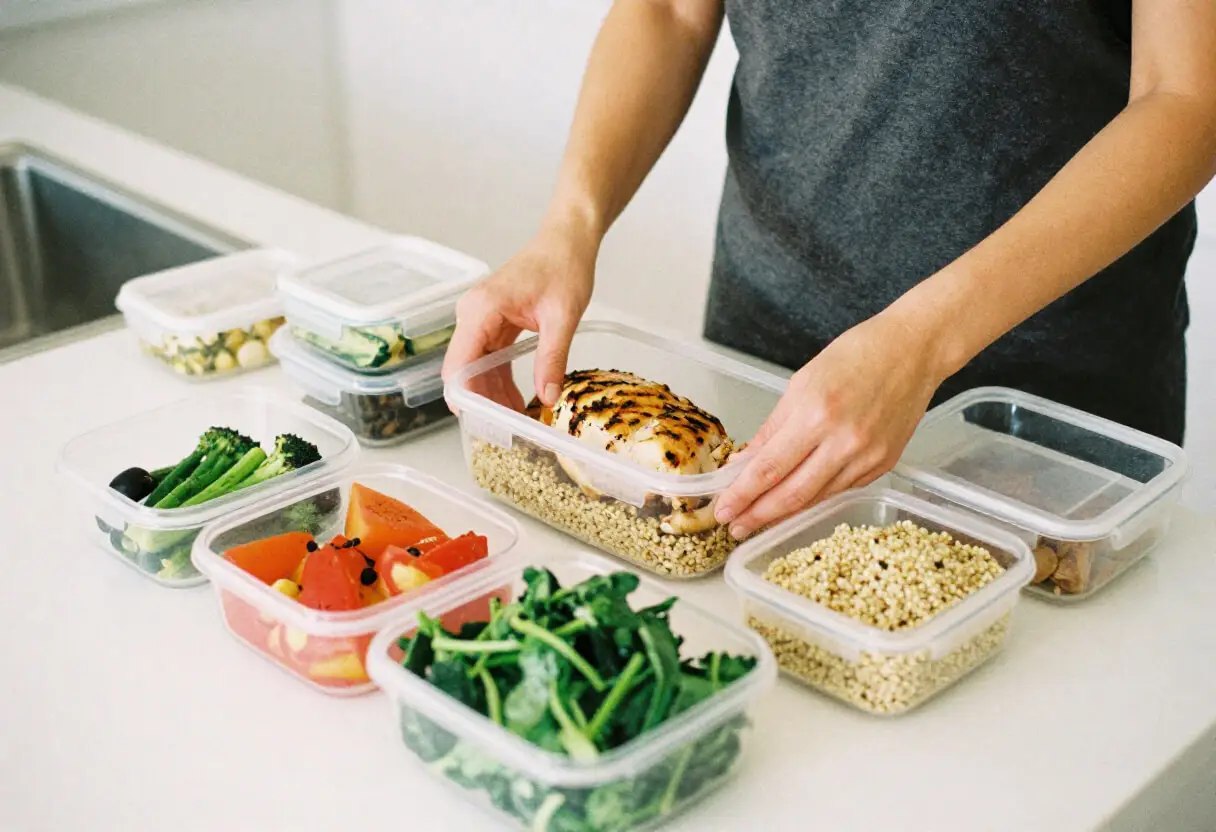
Eating healthy throughout the week can feel challenging, especially with busy schedules. Meal prepping is an effective strategy to save time, reduce stress, and maintain a balanced diet. By preparing meals in advance, you ensure that nutritious options are always ready, reducing the temptation to grab unhealthy snacks or order takeout.
Why Meal Prepping Works
Meal prepping works because it removes the daily guesswork and decision fatigue around eating. It also helps control portion sizes, balance macronutrients, and avoid impulse eating. Consistency is key—over time, meal prepping promotes healthier habits and sustainable nutrition.
Benefits of Meal Prepping
-
Saves time during the week
-
Reduces stress about food choices
-
Supports weight management
-
Encourages balanced nutrition
-
Minimizes food waste
With minimal planning, meal prepping can simplify a healthy lifestyle.
How to Get Started
1. Plan Your Meals
Decide your weekly meals, including breakfast, lunch, dinner, and snacks. Choose recipes that store well and are easy to prepare.
2. Make a Shopping List
Buy only what you need. Fresh vegetables, lean proteins, whole grains, and healthy fats are staples.
3. Choose Prep Day
Set aside 1–2 hours on a weekend or day off to prepare multiple meals in advance.
4. Use Proper Containers
Invest in durable, BPA-free containers. Glass containers are great for reheating and storing meals safely.
5. Portion Meals Correctly
Balance meals with protein, carbs, vegetables, and healthy fats. Portioning ensures you get the right nutrients without overeating.
Meal Prep Tips for Beginners
-
Cook in bulk: Roast a tray of vegetables or cook grains for several meals
-
Mix and match ingredients for variety
-
Freeze meals that won’t be eaten within 3–4 days
-
Use spices and herbs to keep flavors interesting
-
Label meals with dates to maintain freshness
These simple strategies make meal prepping easier and more enjoyable.
Sample Meal Prep Ideas
Breakfast: Overnight oats with chia seeds, berries, and nuts
Lunch: Grilled chicken with quinoa and roasted vegetables
Dinner: Baked salmon with sweet potato and steamed broccoli
Snacks: Hummus with carrot sticks, Greek yogurt, mixed nuts
Rotating ingredients keeps meals interesting while providing essential nutrients.
Meal Prepping and Time Management
Meal prepping saves time in multiple ways:
-
Reduces daily cooking and cleanup
-
Prevents last-minute unhealthy choices
-
Makes grocery shopping more efficient
Spending 1–2 hours upfront can save several hours during the week.
Meal Prepping for Weight Management
Portioned, prepped meals help maintain caloric balance and support weight goals. You can track portions, adjust calories, and ensure that meals are nutrient-dense without relying on processed foods.
Long-Term Benefits
Regular meal prepping encourages:
-
Healthier eating habits
-
Less reliance on takeout or fast food
-
Better energy levels
-
Consistency in nutrition
-
Reduced food waste and cost savings
Over time, meal prepping becomes a natural part of a healthy lifestyle.
Final Thoughts
Meal prepping is a practical, effective way to maintain a healthy nutrition routine. By planning, preparing, and portioning meals in advance, you save time, reduce stress, and improve overall dietary quality. Start small—prep one or two meals per week—and gradually build up your routine. Consistency leads to healthier eating, better energy, and long-term wellness.