
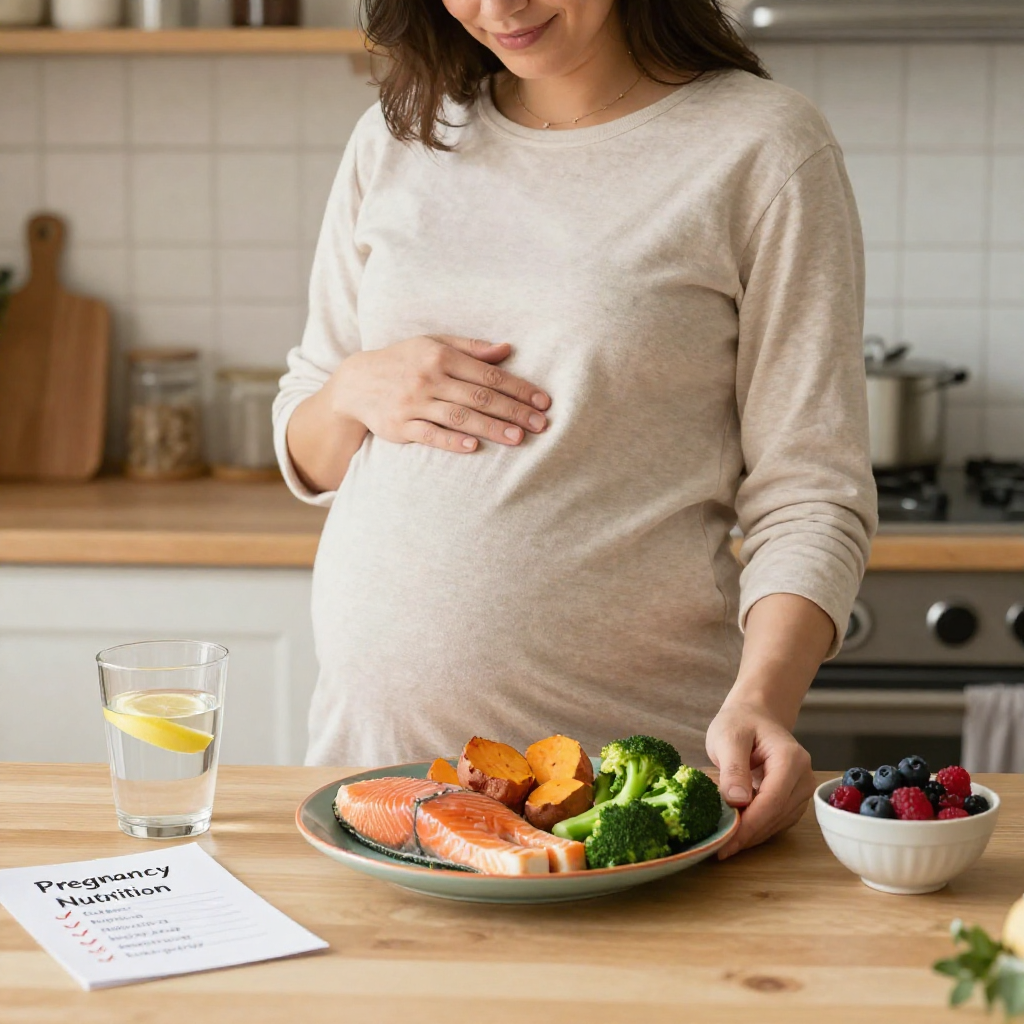
Congratulations. You’re pregnant. Or maybe you’re planning to be. Either way, you’ve probably already heard the advice coming your way: “You’re eating for two now!” “Don’t drink coffee!” “Avoid sushi!” “Craving pickles and ice cream?”
Here’s the truth: Pregnancy nutrition is confusing, and a lot of what you’ve heard is either outdated, exaggerated, or just plain wrong.
Let’s cut through the noise. What does the evidence actually say about eating during pregnancy? How much should you eat? What foods do you really need to avoid? And what actually matters for your baby’s development?
I’ve spent hours digging through the research, talking to dietitians and obstetricians, and separating fact from fear-mongering. Here’s what you actually need to know.
First, Let’s Talk About “Eating for Two”
The phrase “eating for two” is one of the most persistent—and misleading—pieces of pregnancy advice. It makes you think you need to double your intake. You do not.
The actual calorie needs:
-
First trimester: You don’t need extra calories. Your baby is the size of a poppy seed to a lime. Your body becomes more efficient at absorbing nutrients, but you don’t need more food.
-
Second trimester: About 340 extra calories per day. That’s roughly a small snack—a yogurt with fruit, a handful of nuts and an apple.
-
Third trimester: About 450 extra calories per day. A slightly larger snack or a small meal.
What matters more than quantity is quality. Those extra calories need to come from nutrient-dense foods, not empty calories. Your baby is building bones, a brain, and every organ system. The building blocks come from what you eat.
The Key Nutrients Your Baby Needs
1. Folate and Folic Acid
This is the most critical nutrient in early pregnancy. Folate is essential for neural tube development (the brain and spinal cord). Neural tube defects happen in the first few weeks—often before you know you’re pregnant.
How much: 400-800 micrograms daily (most prenatal vitamins contain this).
Food sources: Leafy greens (spinach, kale), lentils, chickpeas, asparagus, Brussels sprouts, fortified cereals.
Timing: Ideally, start taking a prenatal vitamin at least three months before trying to conceive. If you’re already pregnant, start now.
2. Iron
Your blood volume increases by about 50% during pregnancy. Iron is needed to make hemoglobin, which carries oxygen to your baby. Iron deficiency is common in pregnancy and can cause fatigue, preterm birth, and low birth weight.
How much: 27 milligrams daily (most prenatal vitamins provide this).
Food sources: Red meat, poultry, fish, spinach, lentils, fortified cereals, beans. Pair plant sources with vitamin C (citrus, bell peppers) to boost absorption.
Common issue: Iron can cause constipation. Drink plenty of water, eat fiber, and consider taking it with food if it upsets your stomach.
3. Calcium
Your baby’s bones and teeth are forming, and if you don’t eat enough calcium, your body will pull it from your own bones. Pregnancy doesn’t cause long-term bone loss if you get adequate calcium, but you need to meet your needs.
How much: 1,000 milligrams daily (1,300 for teens).
Food sources: Dairy (milk, yogurt, cheese), fortified plant milks, tofu, sardines with bones, leafy greens, almonds.
4. Vitamin D
Vitamin D helps your body absorb calcium and supports your baby’s bone development. Deficiency is common in pregnancy and linked to gestational diabetes, preeclampsia, and low birth weight.
How much: 600-800 IU daily; some experts recommend more. Many prenatal vitamins contain 400 IU; check your label and consider testing.
Food sources: Fatty fish (salmon, sardines), fortified milk, eggs. Sunlight also helps.
5. Choline
This is the unsung hero of pregnancy nutrition. Choline is critical for your baby’s brain development, memory, and spinal cord formation. Yet most prenatal vitamins contain little to no choline.
How much: 450 milligrams daily (most people get far less).
Food sources: Egg yolks (one egg has about 150 mg), beef liver, chicken, salmon, soybeans, Brussels sprouts, broccoli.
The catch: Many women avoid eggs because of old advice about cholesterol. Don’t. The yolk is where the choline lives. Eat whole eggs.
6. DHA (Omega-3 Fatty Acids)
DHA is a structural component of your baby’s brain and retina. Babies of mothers with higher DHA intake show better cognitive outcomes.
How much: 200-300 milligrams daily (look for a prenatal that includes DHA, or take a separate fish oil supplement).
Food sources: Fatty fish (salmon, sardines, anchovies), algae-based DHA supplements (for vegetarians/vegans), fortified eggs.
7. Iodine
Iodine is essential for your baby’s thyroid function and brain development. Deficiency is a leading cause of preventable intellectual disability worldwide.
How much: 220 micrograms daily (most prenatal vitamins provide 150-220).
Food sources: Iodized salt, seaweed (kelp, nori), fish, dairy, eggs.
Note: Sea salt and pink Himalayan salt do not contain iodine. If you use these, ensure you’re getting iodine elsewhere or from your prenatal.
8. Protein
Your baby is made of protein. So is your placenta, your expanding blood volume, and your growing uterus.
How much: About 70-80 grams daily (increase by 25 grams from pre-pregnancy).
Food sources: Meat, poultry, fish, eggs, dairy, legumes, tofu, nuts, seeds.
Foods to Actually Avoid (With Evidence)
Let’s get specific. Some restrictions are legit; many are overblown.
Alcohol
This is non-negotiable. No amount of alcohol has been proven safe during pregnancy. Fetal alcohol spectrum disorders are entirely preventable. Don’t drink.
High-Mercury Fish
Mercury can harm your baby’s developing nervous system.
Avoid: Shark, swordfish, king mackerel, tilefish. Limit albacore tuna to 4 ounces weekly.
Safe choices: Salmon, sardines, anchovies, trout, shrimp, cod, canned light tuna.
Raw or Undercooked Animal Products
Raw fish (sushi), raw eggs, and undercooked meat carry risk of foodborne illness (listeria, salmonella, toxoplasmosis), which can be serious during pregnancy.
What to do: Cook fish to 145°F, eggs until yolks are firm, meat to safe internal temperatures. Sushi from reputable places with frozen fish is lower risk but discuss with your provider.
Unpasteurized Dairy and Soft Cheeses
Unpasteurized milk and soft cheeses (brie, camembert, blue cheese, queso fresco) can harbor listeria.
What to do: Look for “pasteurized” on labels. Hard cheeses (cheddar, Parmesan) are generally safe even if raw, but stick to pasteurized when possible.
Deli Meats and Hot Dogs
These carry listeria risk if not heated properly.
What to do: Heat until steaming (165°F) before eating.
Excessive Caffeine
High caffeine intake (over 200-300 mg daily) is linked to miscarriage and low birth weight.
What to do: 200 mg is about 1-2 cups of coffee. Tea, soda, and chocolate add up. Count your total.
Herbal Teas and Supplements
Many herbal teas haven’t been studied for pregnancy safety. Some (like high-dose licorice root) may be harmful.
What to do: Stick to pregnancy-safe teas (ginger, peppermint, red raspberry leaf in third trimester). Avoid “detox” or “cleansing” teas. Check with your provider before taking any herbal supplements.
Managing Common Pregnancy Nutrition Issues
Morning Sickness
Nausea and vomiting affect up to 80% of pregnancies. It’s miserable, but usually harmless.
What helps:
-
Eat small, frequent meals (an empty stomach worsens nausea)
-
Bland foods: crackers, toast, rice, bananas
-
Ginger (tea, candies, capsules)
-
Vitamin B6 (25 mg three times daily) often helps
-
Stay hydrated—sip fluids, don’t chug
-
If you can’t keep anything down for 24 hours, see your provider
Constipation
Pregnancy hormones slow digestion; iron supplements make it worse.
What helps:
-
Drink plenty of water (aim for 80-100 oz daily)
-
Eat fiber-rich foods: fruits, vegetables, legumes, whole grains
-
Prunes or prune juice are effective
-
Gentle movement (walking)
-
Talk to your provider about stool softeners if needed
Heartburn
As your uterus expands, it pushes on your stomach. Progesterone relaxes the valve between stomach and esophagus.
What helps:
-
Eat smaller, more frequent meals
-
Avoid lying down for 2-3 hours after eating
-
Elevate your head while sleeping
-
Avoid trigger foods (spicy, fatty, acidic)
-
Ask your provider about safe antacids
Gestational Diabetes
About 6-10% of pregnancies develop gestational diabetes. It’s not your fault—it’s how your placenta interacts with your insulin.
If diagnosed:
-
Work with a dietitian or diabetes educator
-
Focus on balanced meals with protein, fat, and fiber
-
Spread carbohydrates across the day
-
Monitor blood sugar as instructed
-
Many women manage with diet and exercise; some need medication
What About Weight Gain?
Weight gain recommendations depend on your pre-pregnancy BMI:
| Pre-Pregnancy BMI | Recommended Total Gain |
|---|---|
| Underweight (<18.5) | 28-40 lbs |
| Normal (18.5-24.9) | 25-35 lbs |
| Overweight (25-29.9) | 15-25 lbs |
| Obese (≥30) | 11-20 lbs |
Pattern: Most gain is in second and third trimesters. First trimester gain is usually 2-5 lbs.
Important: These are guidelines, not rules. If you gain more or less, your baby is likely fine. Focus on nutrient quality and your provider’s guidance.
The Bottom Line
Pregnancy nutrition isn’t about perfection. It’s about nourishing yourself and your growing baby with the best you can, while being realistic about what’s possible.
You don’t need to eat for two. You need to eat for the incredible work your body is doing—building a human from scratch.
Focus on:
-
A prenatal vitamin with folate, iron, DHA, and choline
-
Protein at every meal
-
Colorful vegetables and fruits
-
Healthy fats (avocado, nuts, olive oil)
-
Adequate hydration
-
Rest and gentle movement
And please, give yourself grace. Some days you’ll eat perfectly. Some days you’ll survive on crackers and ginger ale. Both are okay. You’re growing a human. That’s enough.