
Let me tell you about my first meal prep Sunday. I had seen the Instagram photos—rows of pristine glass containers filled with perfectly arranged salmon, vibrant green broccoli, and fluffy quinoa. It looked like a spa day for food. I was inspired. I was motivated. I was about to become one of those organized, put-together people who always has a healthy lunch.
Four hours later, I stood in my destroyed kitchen, surrounded by every pot, pan, and cutting board I owned. In the fridge sat eight identical containers of the blandest chicken I’d ever tasted, broccoli that had somehow achieved both mushiness and burnt edges simultaneously, and rice so dry it could have been used as packing material. By Wednesday, I ordered pizza and stared at the remaining containers with a mixture of guilt and resentment.
If this sounds familiar, you’re in the right place. Meal prep isn’t about perfection. It’s not about Instagram aesthetics. It’s about one thing only: making your future self’s life easier. And like any skill, you don’t start as a master. You start as a beginner who’s willing to learn from someone else’s spectacular failures.
Why Prep? The Case for Investing a Few Hours Now
Before we get into the how, let’s talk about the why. Because when your alarm goes off on Sunday morning and you’d rather lie on the couch, you need a strong “why” to get you into the kitchen.
The Time Argument: Add up the 20 minutes you spend every evening deciding what to cook, the 10 minutes chopping, the 30 minutes cooking, and the 15 minutes cleaning. That’s over an hour a day. Five days a week? Five hours. Meal prep can cut that to 90 minutes, once. You’re buying back three and a half hours of your life every week. What could you do with that?
The Decision Fatigue Argument: By 5 PM, your brain is fried. Your willpower is depleted. The siren song of takeout is at its most seductive. When your food is already made, the hard decision is already behind you. You don’t need motivation; you just need a microwave. This alone is worth the effort.
The Financial Argument: That $15 lunch delivery adds up fast. So does the $60 grocery run for “healthy food” that rots in your fridge because you never had time to cook it. Meal prep means you buy with intention, you cook with efficiency, and you waste almost nothing.
The Health Argument: When you control the ingredients, you control the outcome. No hidden sugars, no mystery oils, no portion sizes designed by a restaurant that wants you to over eat. You’re in charge.
The Mindset Shift: You’re Not a Short-Order Cook
The biggest mistake beginners make is treating meal prep like daily cooking, just in bulk. You don’t need five different meals. You need a system.
Stop prepping meals. Start prepping components.
This single shift changed everything for me. Instead of making five containers of “Chicken Tuesday” and five containers of “Salmon Wednesday,” I now prep:
-
A protein (grilled chicken breasts, baked salmon, hard-boiled eggs)
-
A starch (quinoa, sweet potatoes, brown rice)
-
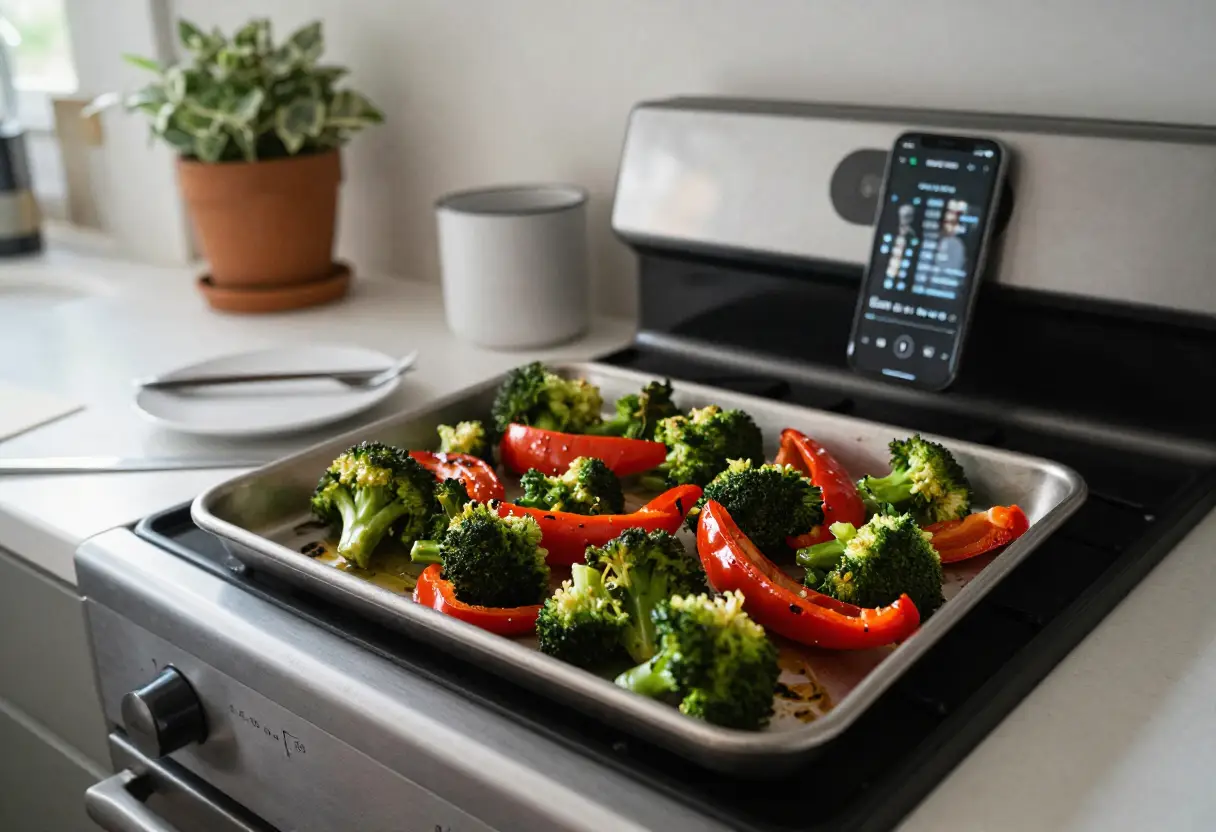
Roasted vegetables (broccoli, bell peppers, zucchini)
-
A sauce or two (tahini dressing, salsa, pesto)
-
Snack elements (cut veggies, portioned nuts, Greek yogurt)
Then, every day is mix-and-match. Monday: chicken + quinoa + broccoli + pesto. Tuesday: same chicken, but with sweet potato and salsa. Wednesday: salmon + leftover quinoa + roasted veggies + tahini. Same ingredients, completely different vibes. You eat for three weeks without realizing you’ve eaten the same five things in different configurations.
Your First Prep Day: A Realistic Timeline
Block off 2.5 hours on a Sunday. Put on a podcast or an audio-book. This is your time.
Hour 1: Planning and Shopping (Or Do This Saturday)
-
Decide on 2-3 proteins, 2 starches, 3 vegetables, and 2 sauces.
-
Make a grocery list based on these components, not recipes.
-
Shop with purpose. Stick to the list. The grocery store is not a museum; you are not browsing.
Hour 2: The Cooking Marathon
-
Start your starches first (rice/quinoa takes 20-30 minutes).
-
While they cook, wash and chop your vegetables.
-
Get your proteins in the oven or on the stove.
-
Sheet pan everything you can. One pan of chicken thighs, one pan of chopped broccoli and sweet potatoes. Set timers and forget.
The Final 30 Minutes: Assembly
-
Let everything cool slightly before packing. Hot food in sealed containers creates steam, which creates sad, soggy vegetables.
-
Portion into containers strategically. Wet ingredients (sauces) should stay separate until eating to prevent sogginess.
-
Label containers if you’re feeling fancy. “Monday Lunch” or just “Chicken + Veg.” Future you will thank you.
Gear Up: What You Actually Need (And What You Don’t)
You don’t need a $200 Instapot or a professional Vitamix to start. You need four things:
-
A Good Chef’s Knife: A sharp knife is safer and faster than a dull one. $30-40 gets you something perfectly serviceable.
-
A Couple Sheet Pans: The half-sheet size fits most ovens. Lining with parchment paper means zero cleanup.
-
Glass Containers with Lids: Glass doesn’t stain, doesn’t hold odors, and microwaves safely. Get a mix of single-serving and larger family-style sizes.
-
A Permanent Marker: For labeling. Trust me, after day three, all containers look the same.
That’s it. No special gadgets, no complicated systems. Just tools that work.
The “But I Hate Leftovers” Objection
I hear this constantly. “I can’t eat the same thing four days in a row. I get bored.”
Here’s the fix: Separate, don’t combine.
Keep your protein, starch, and vegetables in separate containers or separated within the same container. On day one, you have chicken with quinoa and roasted veggies. On day two, take that same chicken, shred it, mix with salsa, and wrap in a lettuce leaf. On day three, chop it up and toss it into a salad with the veggies and a different dressing.
The food is the same. The experience is different. Sauces and spices are your best friends here. A rotation of three different flavor profiles (say, Italian, Mexican, and Asian) can make a week of identical chicken feel like a culinary tour.
The Sunday Scaries Antidote
There’s a psychological benefit here that no one talks about. Sunday evening often comes with a low-grade anxiety about the week ahead. The meetings, the deadlines, the unknown.
When your fridge is organized, your lunches are packed, and your breakfasts are grab-and-go, you’ve removed a massive source of daily friction. You walk into Monday not with dread, but with the quiet confidence of someone who has their act together. That mental load reduction is worth more than any time saved.
Common Beginner Mistakes (And How to Avoid Them)
Mistake 1: Prepping Too Much Too Soon
Start with three days of food, not five. If you mess up, you’re only out a couple meals. If you love it, prep for five next week.
Mistake 2: Forgetting About Texture
Some things don’t reheat well. Keep crunchy elements (nuts, seeds, fresh herbs) separate and add them right before eating.
Mistake 3: Cooking Everything the Same Way
Roast your chicken one week, grill it the next, shred it for tacos the third. Variety in preparation prevents flavor fatigue.
Mistake 4: Not Seasoning Enough
Food that tastes bland when hot will taste like cardboard when reheated. Season aggressively. Your future self will send a thank-you note.
Your First Assignment: The 3-Day Trial
Don’t try to revolutionize your entire life this week. Just try this:
-
Pick one protein, one starch, and two vegetables.
-
Cook them on Sunday in the largest batches you can manage.
-
Pack three days of lunches in separate containers.
-
On Wednesday, notice how you feel. Notice how much time you saved. Notice that you didn’t order takeout once.
That’s it. That’s the start.
Meal prep isn’t about being the person with the perfect Instagram fridge. It’s about being the person who walks into a busy week with one less thing to worry about. Start small. Your future self is already grateful.