
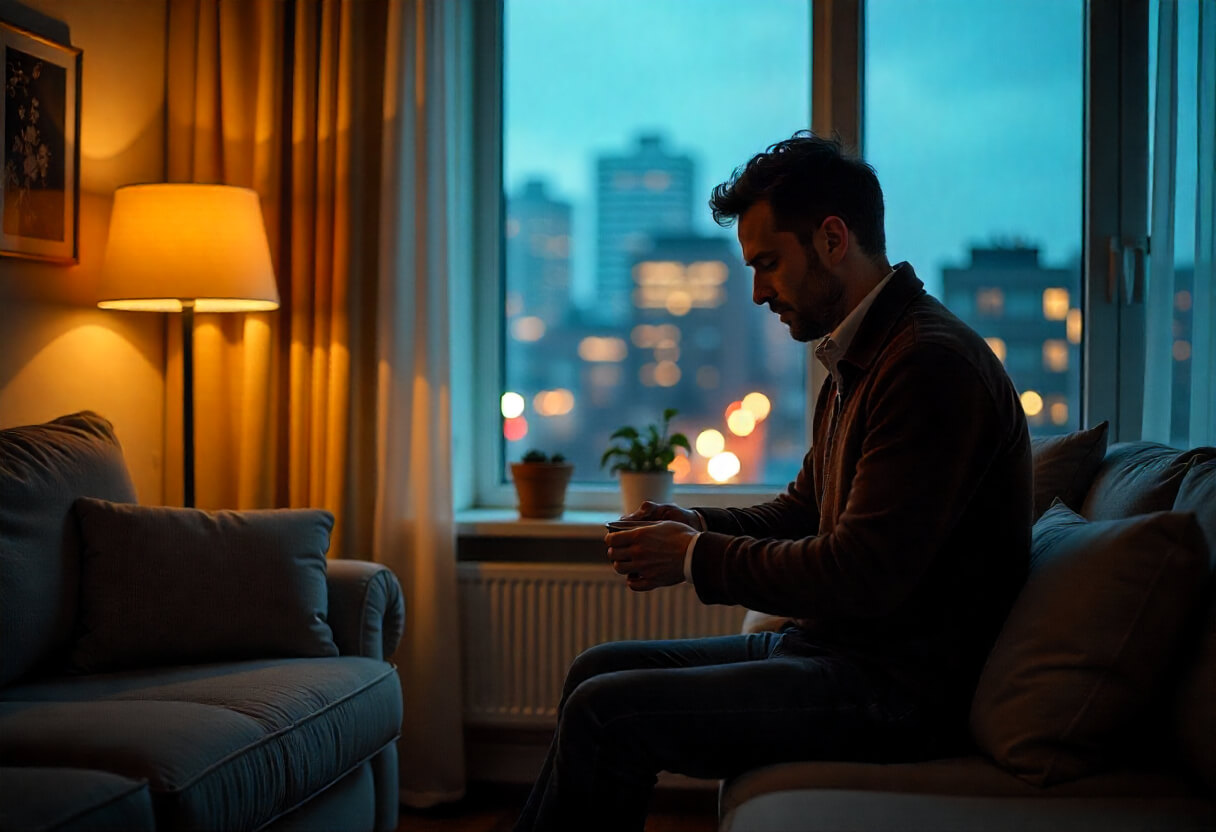
A healthy lifestyle is not only about what you do during the day—it’s also about how you end your day. Evening routines play a critical role in mental wellness, sleep quality, and long-term health. By creating intentional, relaxing habits at night, you can improve energy, focus, and mood for the next day.
Even small evening changes can have a big impact on overall health.
Why Evening Routines Matter
Evening routines signal your body and mind that the day is winding down. A structured routine reduces stress, improves sleep quality, and encourages reflection on the day’s achievements. It also helps prevent late-night snacking, mindless screen time, and poor sleep habits.
Healthy evening habits create a foundation for long-term wellness.
Key Components of a Healthy Evening Routine
-
Wind Down from Work or Activity
Give yourself at least 30–60 minutes to transition from work, school, or physical activity. Avoid intense work tasks, stressful conversations, or digital distractions during this time. -
Light Movement or Stretching
Gentle stretching, yoga, or a short walk helps release tension, improves circulation, and prepares your body for restful sleep. -
Mindfulness or Reflection
Spend a few minutes meditating, journaling, or reflecting on the day. Gratitude journaling improves mood and mental clarity. -
Nutrition and Hydration
Choose light, healthy snacks if needed, and avoid caffeine or heavy meals close to bedtime. Herbal teas such as chamomile or peppermint support relaxation. -
Digital Detox
Reduce exposure to screens at least 30–60 minutes before bed. Blue light from phones, tablets, or TVs interferes with melatonin production and sleep quality. -
Consistent Sleep Schedule
Going to bed at the same time every night helps regulate your circadian rhythm, making it easier to fall asleep and wake up feeling refreshed.
Examples of Simple Evening Routines
Option 1: Relaxing and Reflective
-
7:30 PM: Finish dinner and clean up
-
8:00 PM: Light walk or stretch
-
8:20 PM: Herbal tea and journaling
-
8:40 PM: Mindful breathing or meditation
-
9:00 PM: Prepare for bed, lights dimmed
-
9:30 PM: Sleep
Option 2: Productive but Calm
-
7:00 PM: Finish work and tidy up workspace
-
7:30 PM: Review tomorrow’s plan
-
8:00 PM: Light workout or walk
-
8:30 PM: Shower and relax with a book
-
9:00 PM: Avoid screens, do breathing exercises
-
9:30 PM: Sleep
Even small variations can be adapted to personal preferences.
Evening Habits That Support Mental Health
Evening routines are an opportunity to improve mental wellness. Calm, consistent routines reduce anxiety and improve focus for the next day. Tips include:
-
Avoiding negative news or stressful content
-
Practicing gratitude or affirmations
-
Listening to relaxing music or sounds
-
Engaging in creative hobbies
These practices create emotional balance and reduce stress accumulation.
Avoiding Common Evening Pitfalls
-
Eating heavy or sugary meals late at night
-
Using electronics excessively before bed
-
Staying up too late irregularly
-
Engaging in stressful tasks right before sleeping
Avoiding these pitfalls improves sleep, energy, and overall health.
Benefits of a Structured Evening Routine
Healthy evening routines support:
-
Better sleep quality
-
Reduced stress and anxiety
-
Improved digestion and metabolism
-
Enhanced energy and focus the next day
-
Stronger long-term health habits
A small evening routine can make a noticeable difference in both physical and mental well-being.
Final Thoughts
Evening routines are a powerful yet often overlooked tool for a healthier lifestyle. By creating simple, relaxing, and consistent habits, you can improve sleep, reduce stress, and set yourself up for success every day.
The best routine is one that fits your lifestyle and is sustainable. Start small, be consistent, and enjoy the benefits of ending each day on a healthy, mindful note.