
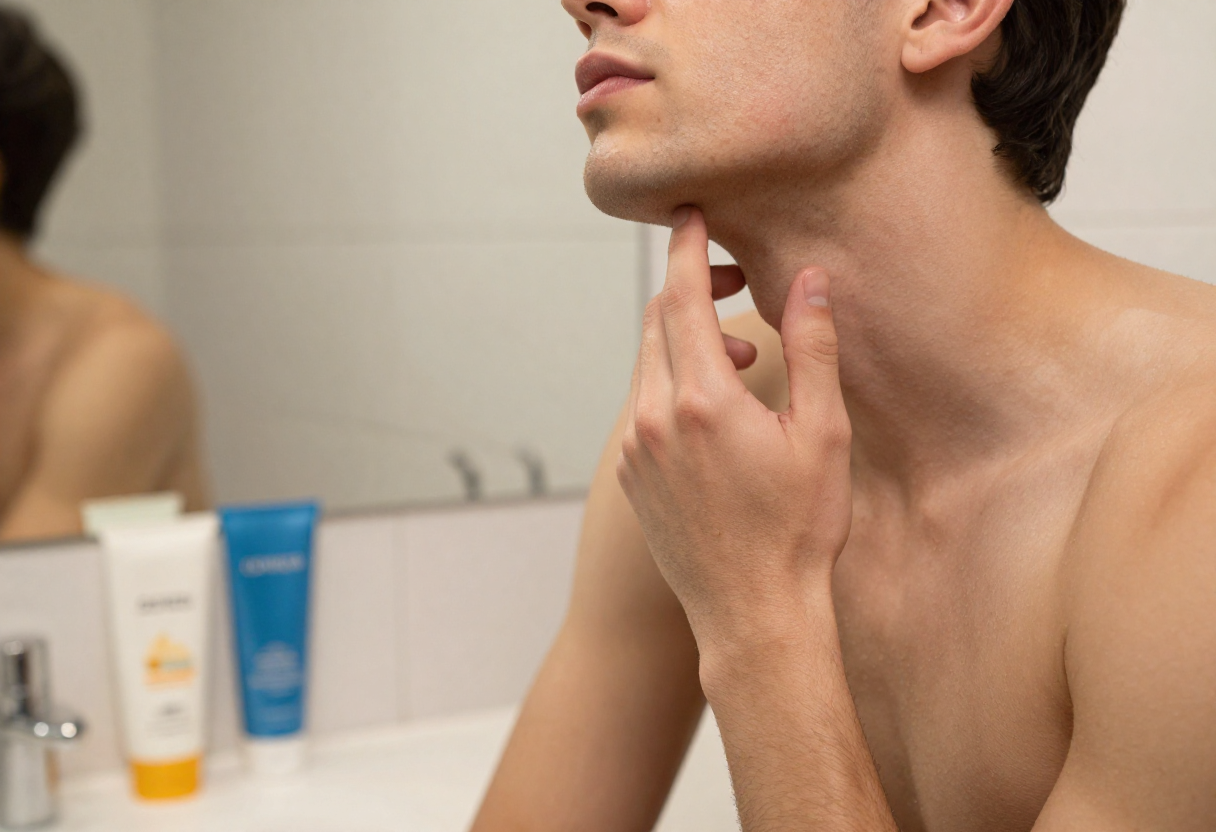
Let’s start with a moment of honesty. If you’re reading this, you’ve probably spent some time standing in front of the bathroom mirror, examining a new breakout with a mixture of frustration and disbelief. Maybe you’re 15 and wondering why this is happening to you. Maybe you’re 35 and wondering why it’s still happening to you.
Acne doesn’t discriminate by age. It affects about 85% of people at some point between ages 12 and 24, but adult acne is increasingly common—affecting up to 15% of women in their 40s . It’s the most common skin condition in the United States, affecting up to 50 million Americans annually .
Here’s what you need to know: acne isn’t your fault. It’s not about being dirty, eating the “wrong” foods (though diet can play a role), or having some moral failing. It’s a complex medical condition with multiple causes. And understanding those causes is the first step toward finding what works for you.
What Actually Is Acne?
Acne is a disorder of the pilosebaceous unit—fancy speak for your hair follicles and their attached oil glands. When these follicles become clogged with oil and dead skin cells, you get comedones (blackheads and whiteheads). When bacteria get involved and inflammation sets in, you get those red, angry papules, pustules, and sometimes deeper cysts.
The technical name for acne vulgaris reflects how common it is. But common doesn’t make it any less frustrating.
The Four Main Causes of Acne
Dermatologists generally agree that acne results from four interconnected factors:
1. Excess Oil Production
Your sebaceous glands produce sebum, an oily substance meant to keep your skin lubricated and protected. Androgens—hormones like testosterone—stimulate these glands. When hormones surge (during puberty, menstrual cycles, pregnancy, or times of stress), your glands can go into overdrive, producing more oil than your skin needs.
This excess oil creates the perfect environment for clogged pores. It’s like having too much traffic on a small road—eventually, things get backed up.
2. Clogged Pores (Follicular Hyperkeratinization)
Normally, your skin sheds dead cells in a invisible, orderly fashion. In acne-prone skin, this process goes haywire. Dead skin cells stick together and mix with excess oil, forming a plug in the hair follicle.
These plugs are the starting point for every pimple. Open comedones (blackheads) occur when the plug reaches the surface and the oil oxidizes, turning dark. Closed comedones (whiteheads) happen when the follicle opening is covered by a thin layer of skin.
3. Bacteria (Cutibacterium acnes)
Everyone has Cutibacterium acnes (formerly called Propionibacterium acnes) living on their skin. It’s normally harmless. But when a follicle becomes clogged with oil and dead skin, it creates a low-oxygen environment where these bacteria can thrive and multiply.
As they multiply, they trigger an immune response. Your body sends inflammatory cells to fight what it perceives as a threat, and that inflammation shows up as red, swollen pimples.
4. Inflammation
This is the final piece—and arguably the most important. Inflammation is what turns a clogged pore into a red, painful pimple. It’s also what leads to post-inflammatory hyperpigmentation (those dark spots that linger after a pimple heals) and scarring.
Recent research suggests inflammation may actually be the first step in the acne process, not the last . Some studies show inflammatory markers present even before visible breakouts appear.
Is Acne Genetic?
This is one of the most common questions, and the answer is a clear yes.
If your parents had acne, you’re more likely to have it too. Studies on twins suggest that genetics account for about 80% of acne risk . Researchers have identified over 15 genetic variants associated with acne, affecting everything from how much oil you produce to how your immune system responds to bacteria .
Dr. Joshua Zeichner, director of cosmetic and clinical research in dermatology at Mount Sinai Hospital, explains: “Acne runs in families. If both your parents had acne, you’re more likely to develop it as well. It’s not just about oil production—it’s about how your skin cells behave and how your immune system responds to bacteria” .
Genetics influence:
-
How much sebum your glands produce
-
How quickly your skin cells shed and turn over
-
How your immune system reacts to C. acnes bacteria
-
How much inflammation your body generates in response
This doesn’t mean acne is inevitable if it runs in your family. But it does mean you may need to be more proactive about prevention and treatment than someone without that genetic predisposition.
Other Factors That Trigger or Worsen Acne
Genetics loads the gun, but environment and lifestyle often pull the trigger.
Hormones
Androgens increase throughout puberty, which is why acne often starts then. But hormonal fluctuations continue throughout life:
-
Menstrual cycles: Many women experience breakouts in the week before their period due to progesterone spikes.
-
Pregnancy: Hormonal shifts can cause acne, even in women who never had it before.
-
Perimenopause and menopause: Declining estrogen relative to androgens can trigger late-onset acne.
-
Stress: Cortisol (your stress hormone) can increase oil production and inflammation.
Diet
The diet-acne connection is real, though it’s not the same for everyone. High-glycemic foods (white bread, sugary snacks, processed carbs) spike blood sugar and insulin, which can increase oil production . Dairy—particularly skim milk—has been associated with acne in multiple studies, possibly due to hormones naturally present in milk .
This doesn’t mean you need to eliminate all carbs or dairy. But if you’re struggling with breakouts, paying attention to how your skin responds to these foods can be helpful.
Skincare and Cosmetics
Heavy, oily, or pore-clogging products can contribute to “acne cosmetica”—breakouts caused by cosmetics. Look for “non-comedogenic” on labels, which means the product won’t clog pores .
Medications
Certain medications can trigger or worsen acne, including corticosteroids, lithium, some anticonvulsants, and androgens .
Friction and Pressure
Anything that rubs against skin repeatedly—helmets, chin straps, tight collars, phone pressed to your cheek—can cause “acne mechanica,” breakouts from physical irritation.
How to Treat Acne: A Two-Path Approach
Now for the part you came for: how to actually deal with it. I’m going to give you two paths—natural approaches and conventional medicine—because different people need different solutions. Many people find that combining both works best.
The Natural Path: Gentle, Long-Term Support
Natural approaches focus on supporting your skin’s health without harsh chemicals. These methods often take longer to show results but can be effective for mild to moderate acne with fewer side effects.
Lifestyle and Dietary Changes
Low-glycemic eating: Focus on whole foods—vegetables, fruits, lean proteins, and complex carbs like quinoa and oats. Multiple studies have shown that low-glycemic diets reduce acne lesions .
Dairy reduction: If you suspect dairy triggers your breakouts, try eliminating it for 2-3 weeks and see what happens. Some people find significant improvement.
Zinc-rich foods: Zinc supports skin healing and has anti-inflammatory properties. Foods rich in zinc include pumpkin seeds, chickpeas, cashews, and oysters .
Omega-3 fatty acids: These healthy fats reduce inflammation throughout the body, including in skin. Fatty fish (salmon, sardines), walnuts, and flaxseeds are excellent sources.
Hydration: Drinking enough water helps maintain skin barrier function and may reduce the risk of clogged pores.
Natural Topical Ingredients
Tea tree oil: One of the most studied natural acne treatments. A 2017 review found tea tree oil effective against acne with fewer side effects than benzoyl peroxide . Always dilute it—5% tea tree oil gel is common—and test a small area first.
Green tea extract: Applied topically, green tea’s antioxidants and anti-inflammatory compounds can reduce sebum production . Some studies show it’s effective for mild to moderate acne.
Aloe vera: Soothes inflammation and may have antibacterial properties. Look for pure aloe gel without added ingredients.
Honey (especially Manuka): Has natural antibacterial properties and can help heal inflamed skin. Apply as a mask for 15-20 minutes.
Witch hazel: A natural astringent that can help remove excess oil. Look for alcohol-free versions to avoid drying.
Apple cider vinegar: Its organic acids may kill bacteria and reduce redness. Always dilute significantly (1 part vinegar to 3 parts water) and patch test.
Gentle Skincare Routine
Cleanse gently twice daily: Use a mild, non-stripping cleanser. Harsh cleansers that leave your skin feeling tight actually trigger more oil production.
Moisturize: Even oily skin needs moisture. Look for oil-free, non-comedogenic moisturizers.
Exfoliate weekly: Gentle exfoliation with products containing salicylic acid (from willow bark) or fruit enzymes (papaya, pineapple) can help keep pores clear. Don’t over-exfoliate—once or twice weekly is enough.
Avoid picking: I know it’s tempting. I know. But picking turns a small pimple into a weeks-long healing process and increases scarring risk.
The Conventional Path: Evidence-Based Medical Approaches
Conventional treatments have the backing of extensive research and are often necessary for moderate to severe acne. They work faster than natural approaches but can have more side effects.
Over-the-Counter Options
Benzoyl peroxide: Kills C. acnes bacteria and helps clear pores. Available in strengths from 2.5% to 10%. Start with the lowest strength to minimize irritation.
Salicylic acid: Helps unclog pores by breaking down dead skin cells. Found in cleansers, toners, and spot treatments.
Adapalene (Differin): Now available over-the-counter, this retinoid helps prevent clogged pores and reduces inflammation. It’s effective but can cause initial dryness and peeling.
Alpha-hydroxy acids (AHAs): Glycolic and lactic acids exfoliate skin and can improve texture and pigmentation.
Prescription Options
If OTC treatments aren’t working after 6-12 weeks, a dermatologist can prescribe stronger options.
Topical retinoids: Tretinoin (Retin-A), tazarotene, and stronger adapalene work by increasing cell turnover and preventing clogged pores. They’re first-line treatments for most acne types.
Topical antibiotics: Clindamycin and erythromycin reduce bacteria and inflammation. Often combined with benzoyl peroxide to prevent antibiotic resistance.
Oral antibiotics: Doxycycline, minocycline, and others for moderate to severe inflammatory acne. Usually used short-term while other treatments take effect.
Oral contraceptives: For women with hormonal acne, birth control pills can regulate hormones and reduce breakouts. Several are FDA-approved for acne treatment.
Spironolactone: A medication that blocks androgen receptors, reducing oil production. Increasingly used for hormonal acne in women.
Isotretinoin (Accutane): The most powerful acne treatment, reserved for severe, treatment-resistant cases. It’s highly effective but requires close monitoring due to potential side effects.
Procedures: Chemical peels, laser therapy, and extraction can help in some cases, usually as adjuncts to other treatments.
Building Your Personal Acne Strategy
Everyone’s skin is different. What clears your friend’s complexion might do nothing for you—or even make things worse. Here’s a framework for finding what works:
Start with the basics: Gentle cleansing, non-comedogenic moisturizer, and daily sunscreen. Sun exposure can darken acne spots and some treatments increase sun sensitivity.
Add one treatment at a time: Whether natural or conventional, introduce new products slowly—one every 2-4 weeks. This lets you see what works and what irritates.
Give treatments time: Most acne treatments take 8-12 weeks to show full results. Don’t abandon something after two weeks because you don’t see improvement.
Track your progress: Keep a simple log of your skincare routine, diet, stress levels, and breakouts. Patterns emerge when you write things down.
Be patient with yourself: Acne is frustrating. It affects how you feel about your face, which is deeply personal. Some days you’ll be tired of dealing with it. That’s normal. Be as kind to yourself as you would be to a friend going through the same thing.
When to See a Dermatologist
Consider professional help if:
-
Over-the-counter treatments aren’t working after several months
-
Your acne is severe, painful, or leaving scars
-
You have acne along with other symptoms that might indicate a hormonal condition
-
Your acne is affecting your mental health or quality of life
A dermatologist can offer treatments you can’t get anywhere else and help you navigate the overwhelming world of skincare products.
The Bottom Line
Acne is complicated. It’s influenced by genetics, hormones, bacteria, inflammation, and lifestyle factors all interacting in ways that are unique to you. There’s no one-size-fits-all solution, and finding what works takes time and patience.
But here’s what I want you to take away: acne is not your fault. It’s not a reflection of your hygiene, your worth, or your discipline. It’s a medical condition, and like any medical condition, it deserves compassionate care—from your doctor and from yourself.
Whether you choose natural approaches, conventional medicine, or a combination of both, the goal is the same: healthier skin and peace of mind. You deserve both.
Clear skin isn’t about perfection. It’s about understanding your skin and giving it what it needs. Start tracking, start learning, and start finding what works for you.
1 Comment
Dear Sir/Madam
List besthealthfitnesslife.com in GoogleSearchIndex so it can be visible in google search results!