
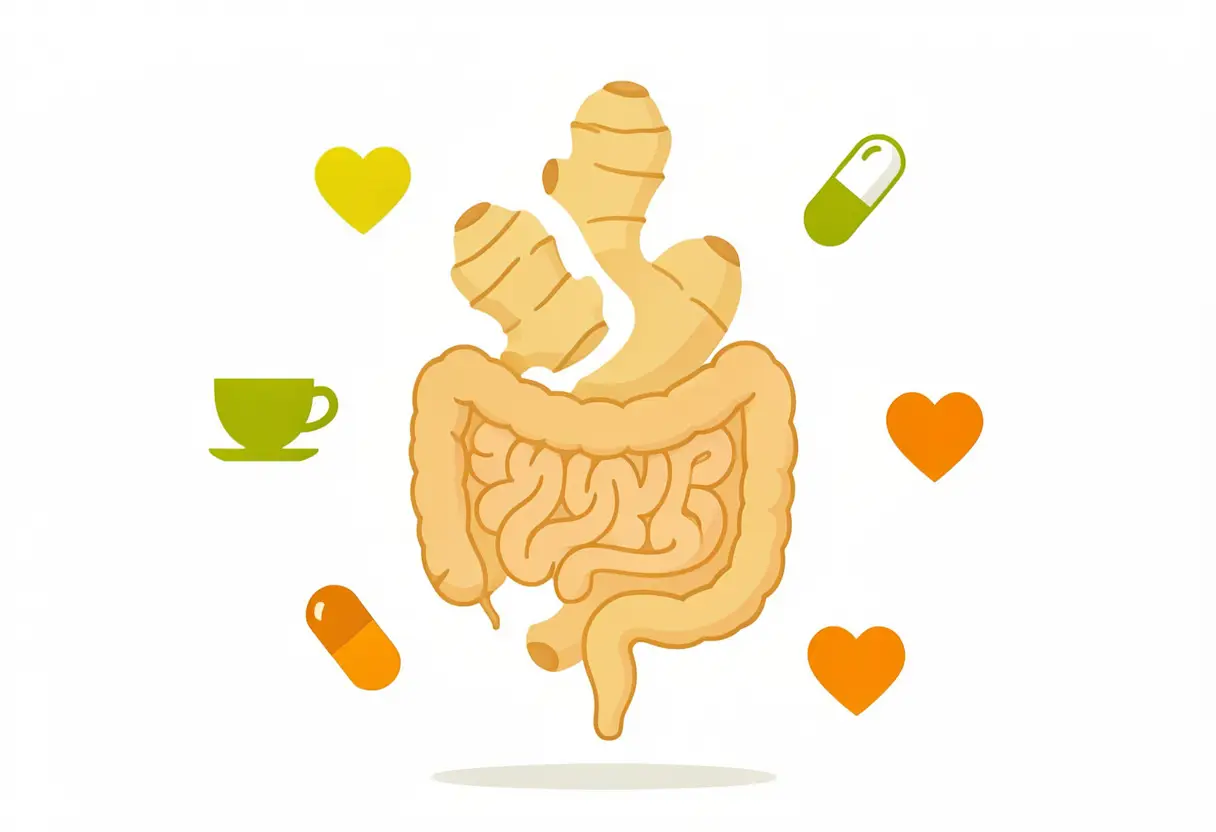
Ginger is one of those everyday ingredients that hides powerful benefits in a familiar, everyday root. For centuries, cultures around the world have used ginger to ease stomach upset, calm nausea, and support overall wellness. In modern times, science has begun to tease apart how this spicy root works in the body, while still keeping its charm as a kitchen staple. Whether you’re chasing relief from motion sickness, morning nausea, or simply want a natural boost to digestion and immunity, ginger deserves a place in your pantry. This guide explains the key benefits and offers practical, easy-to-follow preparation tips to help you get the most from ginger every day.
What Ginger Can Do for You: Key Benefits
- Nausea relief and motion sickness support
- Ginger has a long history of use for nausea, including travel-related queasiness and pregnancy-related morning sickness. Several studies suggest that ginger can modestly reduce nausea and vomiting when used in moderate amounts.
- How it helps: gingerols and shogaols (the active compounds) may influence gut motility and serotonin signaling in the gut, which can help calm nausea signals.
- Digestive comfort and gut health
- Many people report less bloating and smoother digestion after incorporating ginger into meals or beverages.
- Ginger may support gastric emptying and help ease gas and indigestion in some individuals.
- Anti-inflammatory and immune support
- Ginger contains compounds with anti-inflammatory and antioxidant properties. Regular use may help temper inflammatory responses in the body and support overall immune health.
- This doesn’t replace medical treatment for inflammatory conditions, but it can be a helpful, tasty adjunct.
- Pain relief and menstrual comfort
- Some people notice reduced muscle soreness and milder menstrual discomfort with ginger, likely due to its anti-inflammatory effects.
- Potential metabolic and cardiovascular benefits (emerging evidence)
- Early research hints that ginger could influence blood sugar and lipid profiles in small studies. The evidence is mixed and not a substitute for medical advice, but adding ginger to a balanced diet may offer a small, positive effect for some individuals.
- Antimicrobial and antimicrobial properties (lab-based)
- Ginger shows antimicrobial activity against certain microbes in lab studies. That doesn’t mean it cures infections, but it can contribute to a healthy microbial environment when used as part of a balanced diet.
A note on the strength of evidence
- Ginger works differently for different people, and the quality of evidence varies by use (nausea vs. digestion vs. pain). Start with moderate amounts and monitor how your body responds. If you’re pregnant, nursing, or managing a medical condition, talk with a clinician before high-dose ginger use.
How to Use Ginger to Get the Benefits: Practical Preparation Tips
- Fresh ginger: the classic, flexible option
- How to use: Peel a knob of fresh ginger and slice or grate as needed.
- Why it’s good: Fresh ginger delivers a broad spectrum of active compounds and a bright, zingy flavor that pairs with many dishes.
- Quick remedies:
- Ginger tea: Slice 1–2 inches of fresh ginger, simmer in 2–3 cups of water for 10–15 minutes. Strain and sip. Add lemon, honey, or a pinch of cinnamon for warmth.
- Ginger infusion for meals: Grate a small amount into stir-fries, soups, or sauces to boost flavor and potential benefits.
- Chewing: A small, thin slice chewed slowly can provide quick comfort for mild nausea.
- Dried, ground, or powdered ginger
- Convenience: Great for spice racks, baking, or adding to smoothies and hot drinks.
- How to use: Start with 1/4 to 1/2 teaspoon in a mug of hot water or in recipes. Adjust to taste.
- Cautions: Ground ginger can be stronger per unit than fresh; start small if you’re sensitive.
- Ginger tea blends and ready-made beverages
- Ready-made ginger tea or blends with lemon, honey, or peppermint can be soothing and hydrating.
- Tips: Choose blends with simple ingredients and minimal added sugars. Steep longer for a stronger flavor and higher gingerol extraction.
- Ginger for nausea around travel
- Plan ahead: Take a small dose (capsule or tea) about 30–60 minutes before travel, and have a backup option available if symptoms start.
- Travel-safe forms: For some, ginger capsules are convenient on planes or long car trips; for others, fresh ginger tea is more comforting.
- Ginger supplements: what to know
- Forms: Capsules, tablets, and chews standardized for gingerol/shogaol content.
- Dosing: Common ranges in studies are roughly 500–1,000 mg per day, divided into two doses. Some pregnancy studies used up to 1,500 mg daily under supervision.
- Safety: Follow product labeling and consult a clinician if you’re pregnant, nursing, taking medications (especially anticoagulants or diabetes meds), or have a medical condition.
- Cooking with ginger to maximize daily benefits
- Add grated ginger to stir-fries, soups, marinades, and smoothies.
- Pair with foods that balance heat: citrus, garlic, onion, sesame, and light broths.
- Slow-cimmer tips: Ginger’s aroma and flavor deepen with gentle heat—avoid boiling it for too long in plain water if you’re aiming for a delicate tea.
Safety, Interactions, and Who Should Use Ginger Cautiously
- General safety: Ginger is widely tolerated in moderate amounts. Common side effects are mild heartburn or stomach upset in some people.
- Medications and conditions: If you’re on anticoagulants, have bleeding disorders, are managing diabetes, or are preparing for surgery, talk with a clinician before high-dose or regular ginger use.
- Pregnancy and breastfeeding: Moderate ginger use for nausea during pregnancy is commonly considered safe by many clinicians, but high-dose use should be discussed with a healthcare provider.
- Allergies: Rarely, people may be sensitive to ginger. Start with a small amount to test tolerance.
- Quality matters: Use fresh ginger when possible for the broadest benefits; if using supplements, choose reputable brands with clear ingredient lists and third-party testing.
Simple, Everyday Ways to Make Ginger a Habit
- Make ginger a daily sip: Start your morning with a warm ginger tea or add a thin slice to hot water with lemon.
- Add it to meals: Grate a bit into soups, stews, dressings, or roasted vegetables to boost flavor and benefit.
- Keep a few ready-to-use forms on hand: Fresh root in the fridge, a bag of dried ginger for spice blends, and a bottle of ginger tea for busy days.
A Quick FAQ
- Is ginger safe during pregnancy? Moderate amounts are commonly used to help with nausea, but consult your healthcare provider before high-dose use or if you have pregnancy complications.
- How quickly does ginger work for nausea? Some people feel relief within 30 minutes to a few hours after consuming ginger, especially with tea or fresh root. Others notice gradual improvement with consistent use.
- Can I take ginger every day? Yes, many people use moderate daily amounts as part of a balanced diet. If you have health conditions or take medications, check with your clinician for personalized guidance.
- What form should I choose? Fresh ginger offers a broad range of compounds; supplements provide precise dosing and convenience. A mix that fits your lifestyle often works best.
Bottom line
Ginger is a versatile, well-tolerated option with a track record for supporting nausea, digestion, and general comfort when used thoughtfully. By choosing a preparation that fits your routine—fresh root for everyday cooking, tea for a soothing cup, or a carefully dosed supplement—you can enjoy its benefits without complicating your day.